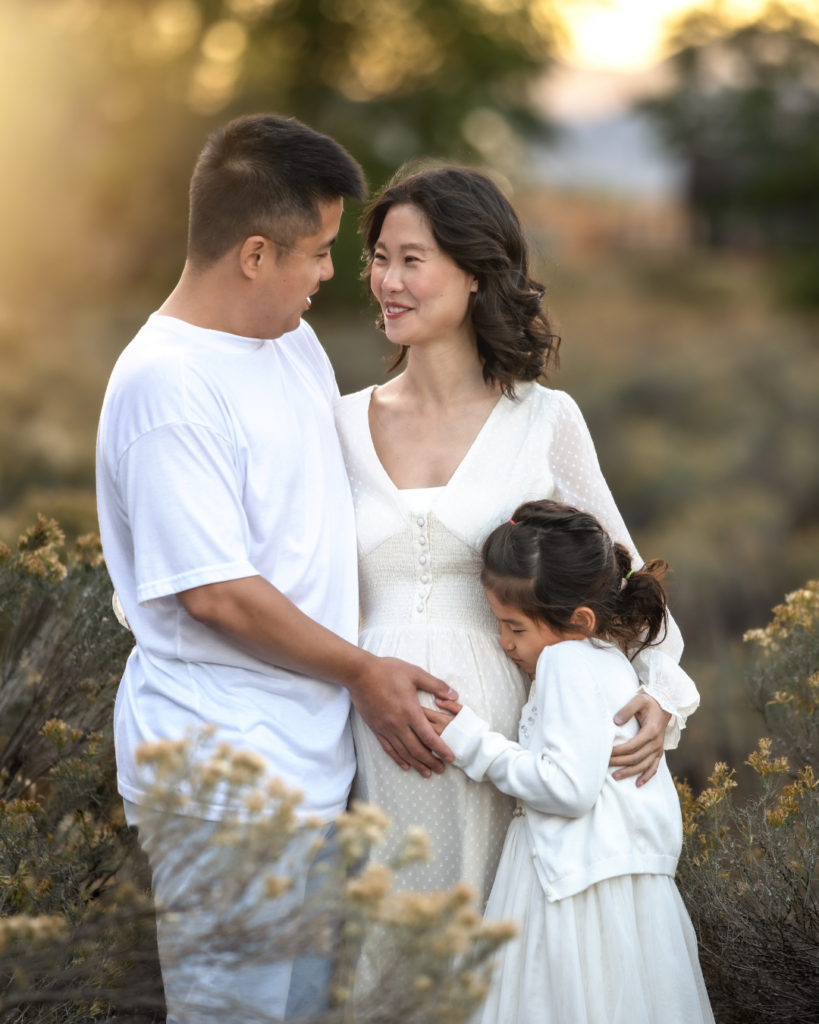
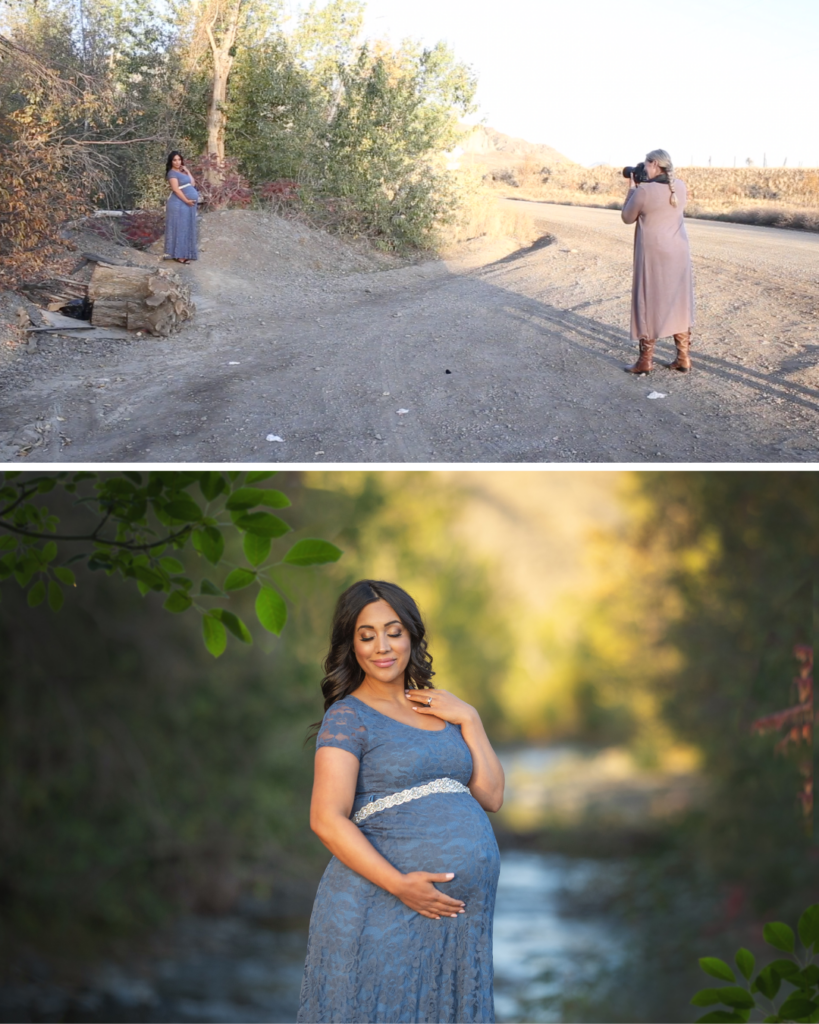
My clients have a running joke about where Lisa is going to take them for their session this year.
Because a lot of the time, the locations are kind of unexpected. Ordinary spots you would drive right past. Random places by the side of the road. Unusual spots that make people go Wait, here?
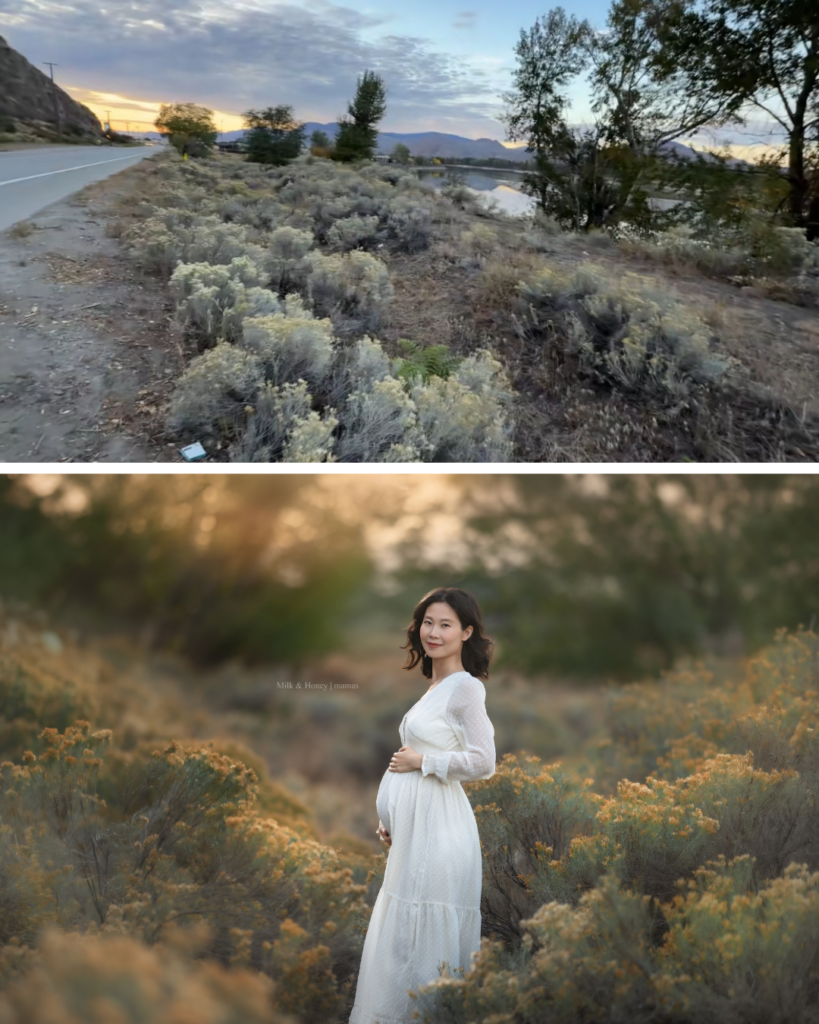
And then they see the images, and they cannot believe it.
It is really easy to get in the mindset that you do not live somewhere with the Rocky Mountains or an ocean or a beach. But you have to find what you do have and make it magic.
Because the photographers you admire are not making beautiful images because they found beautiful places. They are making beautiful images because of how they see, and because they understand how light works with a location. The location itself is almost secondary.
Why Chasing Perfect Outdoor Family Photography Locations Works Against You
When your work relies on one perfect spot you are one field-getting-mowed away from a crisis. And it will happen. I have had it happen. A favourite location completely fenced off when I showed up with a family.
Beautiful locations also get used. Other photographers are there. Clients recognise the spot from someone else’s gallery. And the light is often only good for a narrow window. If your session time does not line up with that window, you have a problem.
There is also something most photographers do not think about until it happens to them. Your amazing spot in summer is very different in late fall because of where the sun sets. The light changes with the seasons. A location that works beautifully in July might not work at all in October. Which means you are always building your library, always going back, always paying attention to how the light is behaving at different times of year.
When your work relies on your eye you never run out of places.
Light Is What Makes a Location Work
Finding a great outdoor family photography location is really about finding great light. The location is just the container.
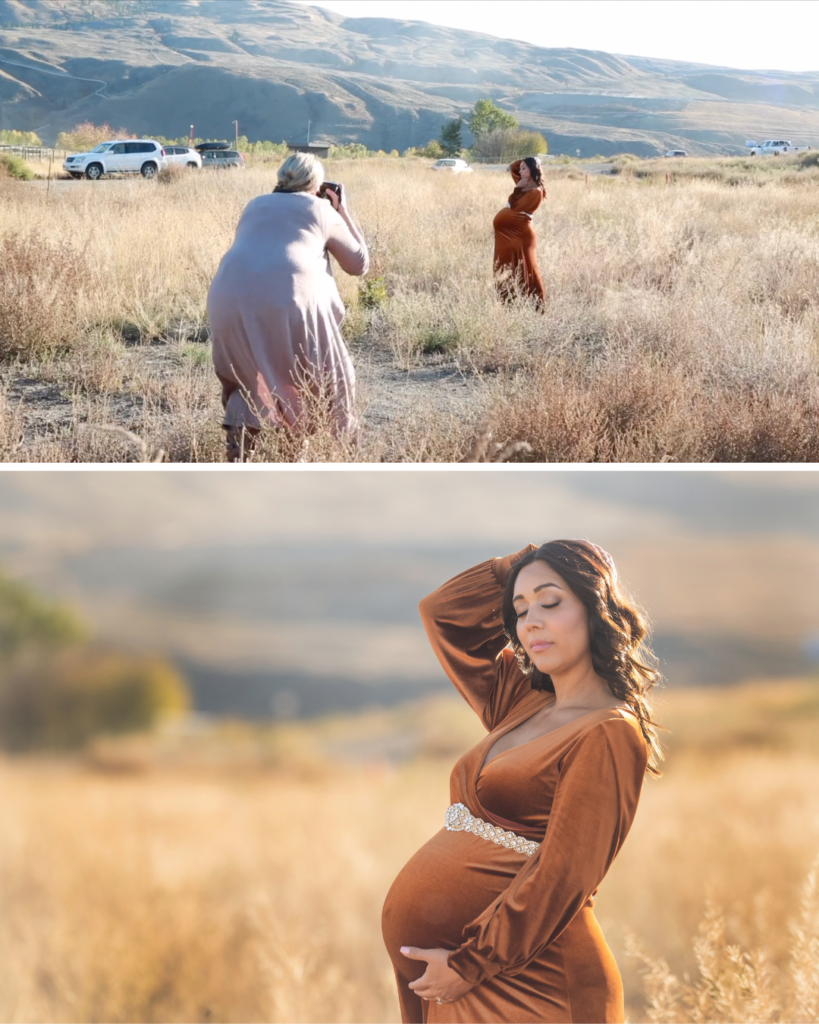
The reason that ordinary roadside spot becomes extraordinary is almost always the light. The way it falls through the trees at a certain time of day. The direction it is coming from. Whether it is soft and diffused or warm and directional.
A spot that looks like nothing at noon can be completely different at golden hour. A location you dismissed in summer might be extraordinary in autumn when the sun is lower and the shadows are longer. This is why photographers who know how to read light find locations everywhere, and why photographers who are just looking for pretty places always feel like they are running out of options.
Learning to read what light is doing at a location, and when it works, is the skill that separates a maybe spot from a session location. That is exactly what I teach inside Enlighten.
The Question That Actually Finds Family Photography Locations
I stopped asking Is this pretty a long time ago. It is not a useful question. Pretty does not tell me whether I can make images there.
The question I ask instead is: can I work with this?
That question considers what the light is doing and when it works here. It considers access. Can a family with a toddler get here comfortably? Is the terrain manageable for everyone? Is it private enough that they can relax? It considers what sits behind where a family would stand and what exists in front of them.
Those are the things that determine whether a location works. Not whether it is beautiful.
How I Actually Find New Outdoor Photography Locations
I go for drives.
Not searching Pinterest, not googling beautiful locations near me. I drive, and I look. If something catches my eye, I pull over. I get out. I look at it from different angles, and I ask whether I can work with it, not whether it is perfect.
I live in the Canadian desert. Cactus, tumbleweeds, and not many trees. And I find locations constantly because I am not waiting for something beautiful. I am looking for something I can work with.
I also think about how a location will change across seasons. I am not just scouting for one session. I am filing away how a spot behaves in different light, at different times of year, in different conditions. A location I love in spring might look completely different by late fall when the sun sets in a different position.
I also trust my maybe spots. Some of my favourite locations started as something that felt interesting but I could not explain why. I paid attention to that feeling. Came back at a different time of day. Came back in a different season. You will be surprised what changes.
Always Have a Plan B for Your Photography Locations
Locations change. Fields get mowed. Fences go up. The light at your usual time slot stops working in winter because the sun sets earlier and from a different angle. I check every location the day before or morning of a session, and I always have a backup.
Having a Plan B is not a lack of confidence. It is just how this works. Once you have built a library of locations through regular scouting, having a backup is easy. You are pulling from a mental catalogue of spots you have already assessed in different conditions.
Frequently Asked Questions About Finding Family Photography Locations
What if I live somewhere with no interesting scenery at all?
This is almost always based on comparing your surroundings to dramatic natural scenery on social media. The scenery matters far less than the light and how you use it. Go for drives and ask can I work with this instead of is this pretty.
Do I need permission to use a location?
It depends on the location. Public parks and public land are generally accessible though some require permits for commercial photography. Private property always needs permission.
How many locations should I have in rotation?
Enough that you can always offer something appropriate for the session, the light, the season, and the family. Most photographers work from around 8 to 12 spots they know well across different times of year, with a handful of newer additions they are still exploring. Knowing a few locations deeply across seasons is more useful than a long list of spots you have only visited once.
How do seasonal changes affect my locations?
Significantly. The position of the sun changes through the year, which changes where light falls, how long the golden hour window is, and what direction you can face without squinting your clients into the sun. A location you love in summer is worth revisiting in autumn and winter to understand how it behaves year-round.
Start Somewhere Unlikely
Next time you are driving, and something catches your eye, pull over. Get out and look. Ask whether you can work with it. Think about what time of day and what time of year the light would be best here. Walk around and see what changes as you move.
So how do you find these locations? You start learning what to look for. And the most important thing to look for is always the light.
I teach exactly that inside Enlighten, my natural light photography course. How to read light at any location, how it changes through the day and across seasons, and how to use it to make any spot work, including the ordinary ones nobody else would stop at.
Enlighten – feel confident shooting outdoors in any light!
How to Shoot Outdoor Family Photography: The 5 L Method I Use Every Session
Why Your Backgrounds Look Busy in Outdoor Photos
Join us for the Family Retreat and get ready to fall in love with your family sessions!